Aluminum Foundry serves as the backbone of innovative aluminum casting production
Wiki Article
The Duty of Aluminum Foundry in Enhancing Production Effectiveness Across Diverse Sectors
Aluminum shops serve an essential function in modern-day manufacturing by boosting production effectiveness throughout various fields. They harness advanced strategies and lasting practices to reduce and maximize operations waste. The impact of Aluminum prolongs to sectors such as automobile, aerospace, and building and construction, where its unique residential or commercial properties improve efficiency. Nonetheless, the challenges faced by these factories could shape their future. Recognizing these characteristics discloses a complex landscape of development and adjustmentThe Relevance of Aluminum in Modern Manufacturing
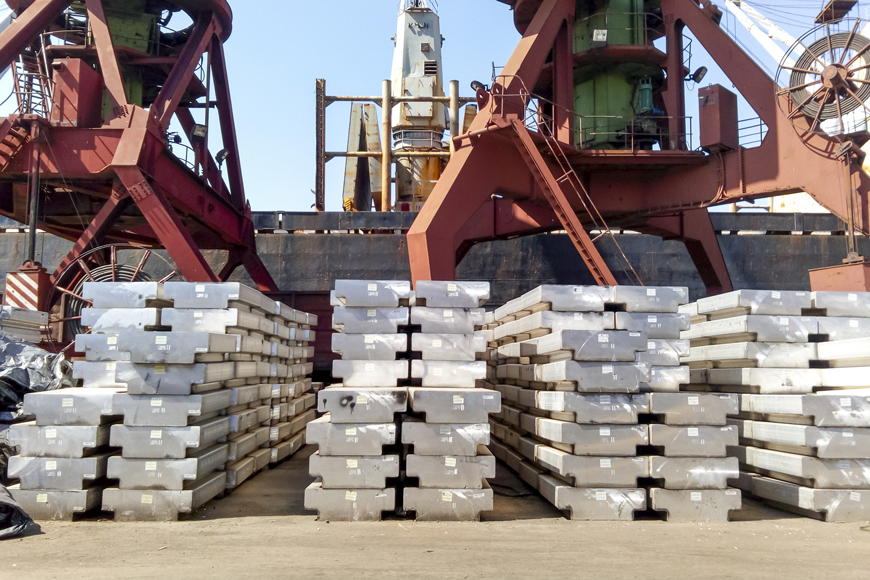
The adaptability of Aluminum allows a vast array of construction techniques, consisting of machining, extrusion, and spreading. Its recyclability better emphasizes its value, as recycled Aluminum requires significantly less energy to generate than new Aluminum, straightening with contemporary ecological objectives. As industries remain to progress, Aluminum's unique features and adaptability ensure it continues to be a crucial material for driving advancement and efficiency in producing processes. Its payments extend beyond capability, supporting economic growth and sustainability efforts around the world.
Secret Procedures in Aluminum Foundries
In Aluminum shops, numerous essential procedures are essential for accomplishing high manufacturing performance. Melting and alloying methods, in addition to molding and spreading methods, play a vital duty fit the end product. In addition, implementing stringent high quality control gauges warranties that the output meets industry standards.Melting and Alloying Methods
Although melting and alloying are basic procedures in Aluminum shops, their effectiveness significantly affects general production high quality and expense. The melting procedure typically involves using gas-fired systems or electrical heating systems, which enable exact temperature level control. This ensures that Aluminum reaches its optimal melting point, decreasing power usage. Alloying, on the other hand, entails the enhancement of details components to accomplish preferred material residential properties, such as strength and corrosion resistance. Strategies such as pre-alloying and in-situ alloying are generally utilized to enhance uniformity and reduce waste. Cautious surveillance throughout both melting and alloying phases is crucial, as it directly influences the product features and assurances conformity with sector requirements, ultimately bring about improved production effectiveness across numerous markets.Molding and Casting Methods
A selection of molding and casting approaches are important to the effectiveness and top quality of Aluminum factories. Amongst these methods, sand spreading, die spreading, and permanent mold and mildew casting stand apart as a result of their distinct benefits. Sand casting uses flexibility for complicated shapes and is cost-efficient for low manufacturing volumes. Die spreading, understood for its accuracy and repeatability, is suitable for high-volume production, offering superb surface area coatings and dimensional precision. Permanent mold spreading integrates the benefits of both sand and die spreading, enabling better mechanical residential or commercial properties and decreased product waste. Each method serves certain applications throughout varied markets, making it possible for Aluminum foundries to enhance manufacturing procedures, reduce lead times, and fulfill differing consumer demands efficiently.Quality Assurance Measures
Assuring top notch Aluminum items calls for strenuous quality control steps at every stage of the Foundry process. These procedures start with the choice of raw products, where thorough testing for impurities and composition is necessary. Evaluations during the molding and casting phases monitor dimensions and surface area top quality to protect against issues as soon as products are authorized. Advanced methods, such as non-destructive testing, are employed to detect inner imperfections that might jeopardize item honesty. Furthermore, process control systems continuously monitor temperature level and alloy structure to preserve consistency. Last examinations, including mechanical home screening, verify that the products fulfill market requirements. By executing these stringent top quality control procedures, Aluminum foundries boost production efficiency and ensure the dependability of their items throughout varied fields.Advancements Driving Production Performance
Developments in Aluminum shops are transforming production performance through innovative casting strategies and the assimilation of automation and robotics. These advancements not only enhance operations however also enhance accuracy and decrease waste. In addition, sustainable product innovations are contributing to even more eco-friendly practices within the market.Advanced Spreading Techniques
Numerous innovative casting methods are changing the Aluminum Foundry industry, substantially enhancing manufacturing efficiency. Techniques such as die spreading, sand spreading, and investment spreading have actually evolved, enabling raised accuracy and lowered waste. Advancements like computer-aided layout (CAD) and simulation software allow shops to optimize mold style and forecast possible issues before manufacturing, minimizing expensive errors - Aluminum Foundry. Furthermore, making use of alloy growth techniques improves product buildings, leading to products that meet strict efficiency needs. Strategies such as fast prototyping and 3D printing are additionally getting traction, assisting in faster turnaround times for complicated geometries. These innovations not only enhance production procedures yet likewise add to sustainability efforts by decreasing energy consumption and improving material usage in the Aluminum casting industry
Automation and Robotics Combination
The combination of automation and robotics in the Aluminum Foundry field is revolutionizing production performance. By using sophisticated robotic systems for tasks such as molding, putting, and completing, factories are considerably minimizing labor prices and lessening human mistake. Automated procedures simplify production lines, permitting faster turn-around times and consistent quality in manufactured parts. Additionally, the execution of real-time monitoring systems enables drivers to track efficiency metrics and optimize operations proactively. Robotics also boosts safety by taking control of harmful jobs, thus lowering work environment crashes. As the technology remains to develop, the Aluminum Foundry market is poised to leverage these advancements further, guaranteeing competitiveness and responsiveness in a progressively requiring market.
Lasting Product Innovations
As the Aluminum Foundry market seeks to boost manufacturing performance, lasting material technologies are becoming a vital factor. These innovations include the advancement of environment-friendly alloys and using recycled Aluminum, considerably reducing the environmental impact of production procedures. Advanced strategies, such as additive manufacturing and eco-friendly spreading approaches, make it possible for factories to lessen waste while boosting material residential or commercial properties. In addition, the combination of bio-based binders and finishings brings about healthier workplace and decreases emissions. The adoption of life cycle analysis tools additional aids factories in determining sustainability possibilities, lining up with worldwide trends toward accountable manufacturing. As a result, these improvements not just enhance production effectiveness however also place the Aluminum Foundry field as a leader in lasting industrial methods.Environmental Sustainability in Aluminum Casting
While Aluminum casting has actually long been a staple in production, its environmental influence has actually triggered a shift in the direction of even more sustainable practices. Lots of factories are now taking on environmentally friendly techniques to decrease waste and energy consumption. By making use of recycled Aluminum, factories considerably reduce the demand for virgin materials, therefore reducing and conserving all-natural resources greenhouse gas exhausts.Innovations such as innovative melting modern technologies and enhanced heater designs furthermore enhance energy performance. Furthermore, implementing closed-loop systems permits for the recycling of byproducts and scraps, decreasing land fill contributions. In addition, the usage of water-based coatings and naturally degradable materials in the spreading process minimizes hazardous exhausts and environmental toxins.
As sectors increasingly focus on sustainability, the Aluminum casting market is aligning with these values, showing that economic growth and ecological duty can coexist. This commitment to lasting techniques not only benefits the atmosphere yet additionally placements Aluminum foundries as leaders in accountable production.
Applications of Aluminum Elements in Numerous Industries
Aluminum components are increasingly used throughout numerous industries due to their distinct residential or commercial properties, that include light-weight strength, corrosion resistance, and outstanding thermal conductivity. In the automobile market, Aluminum is crucial for producing lighter automobiles, adding to boosted gas performance and lowered exhausts. The aerospace industry leverages Aluminum alloys for aircraft parts, taking advantage of their high strength-to-weight proportion, which boosts efficiency and safety and security.In construction, Aluminum is favored for home windows, doors, and roof covering as a result of its longevity and visual allure. The electric market utilizes Aluminum in power lines and components, taking advantage of its conductivity and resistance to corrosion. Additionally, the consumer items sector utilizes Aluminum in packaging and household items, advertising sustainability via recyclability (Aluminum Foundry). Generally, Aluminum elements play a vital role ahead of time technical advancements and functional efficiencies throughout varied industries, highlighting their significance in modern-day production and style
Challenges Encountered by Aluminum Foundries
Many difficulties confront Aluminum shops, influencing their effectiveness and performance. One considerable issue is the volatility of resources costs, which can change unpredictably, impacting functional prices and revenue margins. Furthermore, foundries often face rigid ecological guidelines, requiring expensive financial investments in lasting methods and waste management systems. Labor shortages existing another obstacle, as the experienced labor force required for specialized processes comes to be progressively limited, resulting in possible delays and top quality control issues.In addition, technological combination postures challenges; factories need to constantly adjust to advancements in automation and digital devices to continue to be affordable. Inefficiencies in production procedures, such as poor melting and spreading techniques, can likewise impede result. The demand for customized services across different industries forces foundries to stabilize flexibility with efficiency, complicating manufacturing timetables. With each other, these obstacles develop an intricate landscape that Aluminum shops have to browse to boost their overall efficiency.
Future Fads in Aluminum Foundry Modern Technology
As the Aluminum Foundry sector advances, arising technologies are readied to reinvent production processes and boost efficiency. Technologies in automation, such as robotics and expert system, are expected to streamline procedures, minimize labor expenses, and improve precision. On top of that, innovations in 3D printing innovation will permit the quick prototyping of complicated Aluminum elements, lowering preparations and product waste.Additionally, the combination of IoT (Net of Things) will make it possible for real-time monitoring of manufacturing processes, permitting predictive upkeep and reducing downtime. Sustainability will additionally play a crucial role, with an enhancing concentrate on recycling and energy efficiency in Foundry procedures.
Frequently Asked Questions
What Are the Prices Related To Aluminum Foundry Manufacturing?
The prices connected with Aluminum Foundry production include basic material expenditures, labor costs, energy consumption, maintenance of equipment, and overhead. These aspects collectively affect the overall economic stability and efficiency of the Foundry procedures.Exactly How Do Foundries Make Sure High Quality Control in Aluminum Spreading?
Shops assure high quality control in Aluminum casting through extensive testing protocols, consisting of product evaluation, dimensional Aluminum Foundry evaluations, and process surveillance. Executing standardized treatments and using innovative modern technologies assists keep consistency and meet market requirements throughout manufacturing.What Precaution Are Applied in Aluminum Foundries?
Precaution in Aluminum foundries consist of individual protective equipment, proper air flow systems, regular safety and security training, emergency situation methods, and equipment maintenance. These practices aim to minimize hazards, ensuring the well-being of employees and preserving operational performance.The length of time Does the Aluminum Casting Refine Usually Take?
The Aluminum casting procedure generally takes several hours to numerous days, relying on aspects like the complexity of the layout, the size of the cast, and the particular techniques used by the Foundry.What Skills Are Required to Operate In an Aluminum Foundry?
To work in an Aluminum Foundry, people need skills such as metallurgy expertise, machining effectiveness, attention to information, analytical capacities, and team effort. Safety and security understanding and technological experience in casting processes are additionally necessary for effective procedure.Its recyclability additionally highlights its relevance, as recycled Aluminum needs substantially less power to produce than brand-new Aluminum, lining up with modern environmental objectives. A variety of molding and spreading approaches are vital to the performance and high quality of Aluminum factories. Technologies in Aluminum foundries are changing production effectiveness via sophisticated spreading techniques and the combination of automation and robotics. Numerous advanced spreading strategies are transforming the Aluminum Foundry sector, considerably improving manufacturing efficiency. Shops ensure quality control in Aluminum casting via extensive screening methods, including material evaluation, dimensional examinations, and process monitoring.
Report this wiki page