The future of automation and robotics in an Aluminum Foundry
Wiki Article
A Deep Dive Into Metal Foundries: Trick Solutions and Their Influence On Manufacturing
Metal shops are important to contemporary manufacturing, offering crucial solutions that shape the manufacturing landscape. They concentrate on numerous casting procedures, guaranteeing precision and top quality in steel elements. The evolution of innovation and lasting practices has actually additionally affected their operations. As markets significantly depend on these factories, understanding their vital solutions and the implications for production effectiveness comes to be crucial. What technologies and obstacles exist ahead for this vital sector?Recognizing Metal Casting Procedures
Metal spreading processes change fluid metal into strong objects with numerous techniques, each customized to certain applications and products. Among the most typical techniques are sand spreading, financial investment spreading, and pass away casting, each offering distinctive advantages. Sand spreading utilizes a mold and mildew constructed from sand, allowing the production of large components at a relatively affordable. Financial investment casting, on the various other hand, involves producing a wax pattern that is covered in ceramic, yielding intricate and very in-depth shapes. Pass away casting employs high stress to force liquified metal into a mold, which is suitable for mass production of tiny, exact elements. These processes permit a wide variety of metals to be used, including light weight aluminum, steel, and bronze, accommodating varied industrial needs. The selection of a suitable spreading strategy depends upon aspects such as needed resistances, production volume, and product properties, influencing the general effectiveness and effectiveness of completion products.The Value of Accuracy Casting
Precision spreading plays a crucial function in producing elements that require high accuracy and intricate information. This approach, commonly described as financial investment casting, permits complicated geometries and limited tolerances, making it vital in sectors such as aerospace, auto, and medical devices. By making use of wax patterns that are coated with a ceramic shell, accuracy casting makes it possible for the production of parts with smooth surfaces and minimal finishing demands.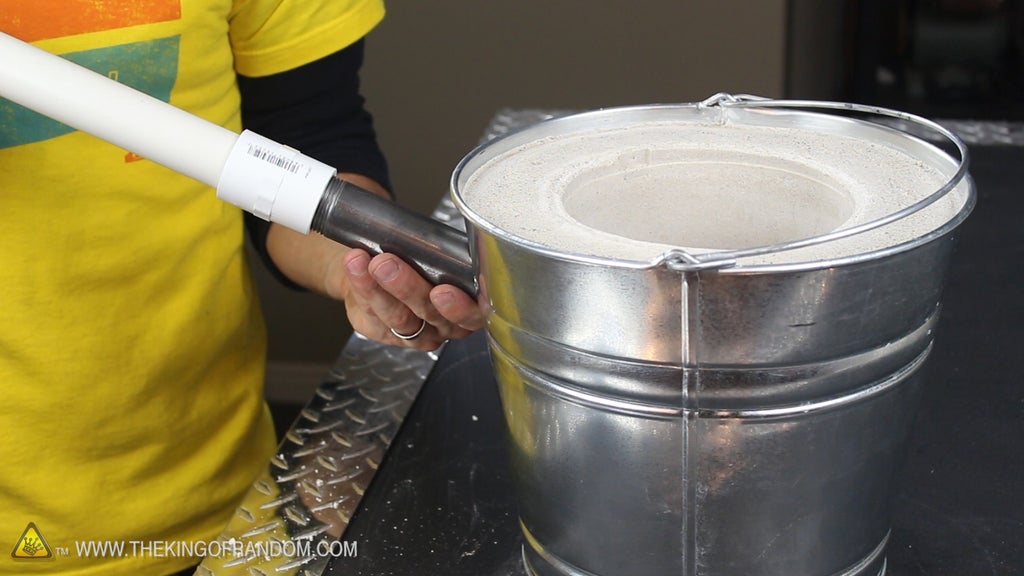
Alloy Growth and Product Option
In the domain name of metal factories, alloy growth and product selection are important variables influencing the performance and longevity of actors elements. The selection of alloy directly impacts mechanical residential properties, such as stamina, deterioration, and ductility resistance, crucial for meeting particular application demands. Factories usually participate in comprehensive study and screening to optimize alloy structures, tailoring them to the one-of-a-kind needs of numerous sectors, consisting of auto, aerospace, and building and construction.Material selection likewise involves evaluating factors like cost, manufacturability, and schedule, making certain that the chosen alloy lines up with production capacities and spending plan restrictions. Advanced simulation tools and analytical methods are employed to predict the habits of different alloys under varying conditions, offering important insights for engineers. Ultimately, efficient alloy advancement and material choice make it possible for foundries to generate high-quality components that enhance operational efficiency and integrity in their desired applications.
Ingenious Molding Strategies
Changing the manufacturing process, innovative molding techniques play a critical duty in boosting the efficiency and high quality of cast elements in metal foundries. Techniques such as 3D printing and vacuum cleaner molding have actually arised as video game changers, enabling intricate designs and minimized preparations. These approaches make it possible for foundries to produce molds with intricate geometries that typical techniques usually have a hard time to achieve.In addition, using sophisticated materials for mold and mildews, such as composite materials, enhances resilience and reduces wear, resulting in longer manufacturing runs. Fast prototyping more enables fast models, helping with much faster development cycles and making it possible for suppliers to react more swiftly to market needs.
Automation in molding procedures streamlines procedures, decreasing human mistake and increasing throughput. By incorporating these innovative methods, metal foundries can optimize their production abilities, inevitably causing higher top quality spreadings and enhanced general performance in the affordable manufacturing landscape.
Top Quality Control in Steel Foundries
Quality assurance in steel factories is important for guaranteeing the integrity and efficiency of actors products. It encompasses various inspection strategies and criteria, as well as defect detection methods to recognize potential issues early in the manufacturing procedure. Durable quality assurance processes are critical for preserving consistency and meeting sector needs.Inspection Techniques and Standards
Guaranteeing the integrity of metal spreadings needs rigorous examination methods and adherence to developed requirements. Metal factories implement different inspection approaches to assess the top quality of actors products, consisting of aesthetic examinations, dimensional checks, and non-destructive testing (NDT) These strategies aid to recognize possible flaws early in the manufacturing process. Standards such as ASTM and ISO supply standards for appropriate quality levels and screening procedures, ensuring that foundries preserve constant high quality throughout their manufacturing lines. Conformity with these requirements not just boosts product reliability however additionally promotes depend on among clients. By prioritizing inspection strategies, steel shops can mitigate dangers connected with problems and guarantee that their spreadings fulfill consumer specs and industry requirements.Flaw Discovery Techniques
Efficient flaw discovery approaches are integral to keeping high requirements in metal shops. These techniques incorporate a range of techniques focused on identifying imperfections in castings before they are processed better. Usual methods consist of visual evaluation, which relies upon the experienced eye of examiners to identify surface problems, and non-destructive testing (NDT) methods such as ultrasonic screening and radiography, which disclose inner defects without harming the product. Additionally, automated systems employing artificial intelligence and man-made knowledge are progressively used to analyze information and determine abnormalities. Each method plays an important role in making certain the integrity of the end product, lessening waste, and boosting overall production effectiveness. By executing robust defect discovery procedures, foundries can maintain their reputation for quality.Quality Control Processes
In steel foundries, a comprehensive high quality guarantee procedure is important for producing high-performing and reputable castings. see this page This procedure incorporates numerous stages, including resources inspection, in-process tracking, and final product examination. By implementing standard procedures, factories can systematically identify and remedy defects prior to they rise into expensive concerns. Advanced strategies, such as non-destructive testing and metallurgical analysis, are utilized to evaluate the honesty of castings. Moreover, documents and traceability are important parts, making sure that each action of manufacturing meets rigid top quality standards. Training workers in high quality control methods even more improves the efficiency of these procedures. Inevitably, a robust quality control framework not just increases operational efficiency but additionally strengthens customer trust fund and complete satisfaction in the foundry's result.The Role of Modern Technology in Foundry Operations
Innovation revolutionizes shop procedures by boosting precision, safety and security, and performance. Automation plays an essential duty, improving procedures such as mold production and steel pouring, consequently linked here decreasing labor costs and decreasing human mistake. Advanced computer-aided design (CAD) software application enables specific modeling of parts, promoting quicker modifications and iterations during production.The integration of robotics in jobs like material handling and finishing processes increases performance and warranties consistent top quality. Real-time surveillance systems and information analytics supply valuable insights into operational efficiency, enabling prompt interventions and upkeep, which ultimately prolongs equipment life expectancy

The fostering of 3D printing modern technology additionally allows rapid prototyping and personalized services, substantially reducing lead times. In addition, advanced products innovation improves the homes of alloys, improving spreading efficiency. To sum up, technical innovations are vital in enhancing factory procedures, enabling producers to meet the raising demands for quality and effectiveness in the competitive steel market.
Environmental Factors To Consider in Steel Casting
Environmental factors to consider in steel spreading play a significant function in shaping industry practices. Effective waste management, progressed discharge control modern technologies, and making use of sustainable materials are essential for decreasing the ecological footprint of foundries. Attending to these aspects is imperative for advertising an extra lasting future in steel production.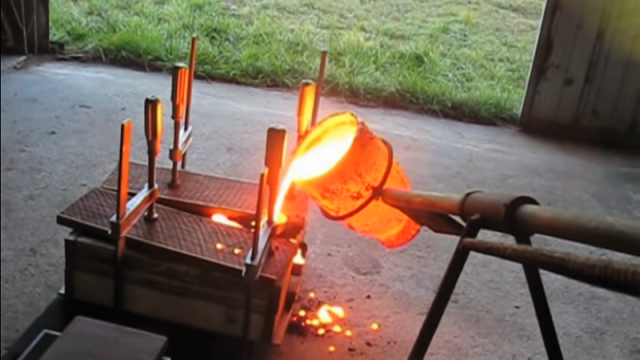
Waste Management Practices
Effective waste management methods are crucial in the steel spreading industry to reduce environmental impacts. Metal Foundry. Shops produce various sorts of waste, including steel sand, chemical, and scrap residues. Implementing recycling programs permits the repurposing of metal scrap, reducing the demand for virgin products and decreasing landfill payments. Additionally, shops frequently make use of sand improvement procedures, which recoup and recycle sand several times, thereby reducing waste generation. Appropriate disposal approaches for harmful products, such as binding solvents and agents, are critical to avoid soil and water contamination. Staff member training on waste partition and reduction strategies can enhance total performance and sustainability. With these practices, steel shops can markedly decrease their environmental footprint while maintaining manufacturing effectivenessDischarge Control Technologies
As the metal casting market progresses, the execution of innovative exhaust control innovations ends up being significantly crucial for minimizing unsafe pollutants launched throughout manufacturing procedures. These modern technologies incorporate different methods, including electrostatic precipitators, scrubbers, and catalytic converters, which efficiently record and reduce the effects of exhausts before they go into the atmosphere. By incorporating such systems, foundries can substantially reduce particle matter, unpredictable organic substances, and various other harmful exhausts. Furthermore, compliance with strict environmental policies not only reduces environmental impact but additionally boosts the market's online reputation and functional performance. The adoption of these innovations shows a commitment to lasting methods, making sure that metal spreading operations can fulfill the expanding demand while focusing on environmental health and wellness.Lasting Materials Usage
Lasting products usage in steel casting plays an important function in minimizing the market's ecological footprint. Foundries are increasingly taking on recycled metals, which greatly decrease the demand for virgin resources and lower power consumption during the manufacturing procedure. In addition, making use of green binders and additives improves the sustainability of casting operations by lessening damaging discharges and waste. Innovations in product science additionally enable the advancement of naturally degradable options that do not jeopardize item high quality. Shops are executing life-cycle analyses to review the environmental effect of materials throughout their life expectancy, promoting even more liable sourcing and usage. On the whole, these techniques contribute to a much more eco conscious and sustainable steel casting sector, aligning with global efforts to decrease carbon impacts.Often Asked Inquiries
What Are the Main Kind Of Metal Made Use Of in Shops?
Factories primarily utilize metals such as iron, aluminum, magnesium, and copper. These products are picked for their unique residential properties, which influence the spreading procedure and the performance characteristics of the final products manufactured.How Do Shops Ensure Employee Safety And Security Throughout Procedures?
Factories ensure employee security through rigorous training, appropriate tools, air flow systems, and adherence to security policies. Regular evaluations, personal safety equipment, and emergency procedures even more enhance a safe functioning environment for workers involved in steel manufacturing.What Is the Typical Lead Time for Casting Production?
The common preparation for casting production varies, generally varying from a few weeks to numerous months. Elements affecting this timeline include intricacy of the style, material schedule, image source and the foundry's production capability and organizing.How Do Shops Handle Waste and Recycling Processes?
Shops take care of waste and recycling by applying processes such as steel improvement, sand recycling, and proper disposal of hazardous products, thus decreasing ecological effect and promoting sustainability in their operations while sticking to regulative standards.What Industries Many Generally Utilize Steel Shop Solutions?
Steel factory services are largely made use of in industries such as vehicle, construction, aerospace, and equipment manufacturing. These industries depend on shops for generating actors steel components necessary for different applications and product advancement.Steel foundries are indispensable to modern production, supplying vital solutions that shape the manufacturing landscape. Steel spreading procedures change liquid metal right into strong objects through different methods, each customized to details applications and products. As technology advancements, the importance of accuracy spreading proceeds to expand, driving development and effectiveness in steel factory procedures. Transforming the manufacturing process, innovative molding strategies play a critical duty in improving the efficiency and high quality of actors components in metal factories. In metal shops, a comprehensive quality assurance procedure is crucial for generating reliable and high-performing castings.
Report this wiki page